
Tree Removal: A Look at the Process
By Thomas Moore | October 14, 2026
Tree removal serves as a foundational element in modern property management, addressing critical structural concerns while supporting long-term landscape health across residential and commercial properties. When a tree suffers from structural instability, severe disease, or encroaches on surrounding utility infrastructure, removing the hazard becomes an essential property maintenance priority. Working with a qualified tree remover ensures that every phase of the project adheres to strict technical standards, protecting surrounding structures and maintaining overall property value. Understanding the intricate balance between environmental conservation and risk mitigation allows land managers to navigate complex removals with complete operational confidence.
Beyond immediate safety considerations, strategic removal plays a vital role in local urban forestry initiatives and property development goals. Unchecked branch growth or decaying trunks can quickly transform a passive landscape feature into an active liability during severe weather events. Property owners who proactively monitor their grounds can identify early indicators of instability, scheduling timely interventions before emergency situations arise. Partnering with certified industry professionals ensures that removal operations proceed smoothly, utilizing specialized machinery and proven rigging techniques. This comprehensive overview examines the primary stages, safety measures, and strategic considerations involved in modern tree management.
Evaluating Primary Property Safety Concerns
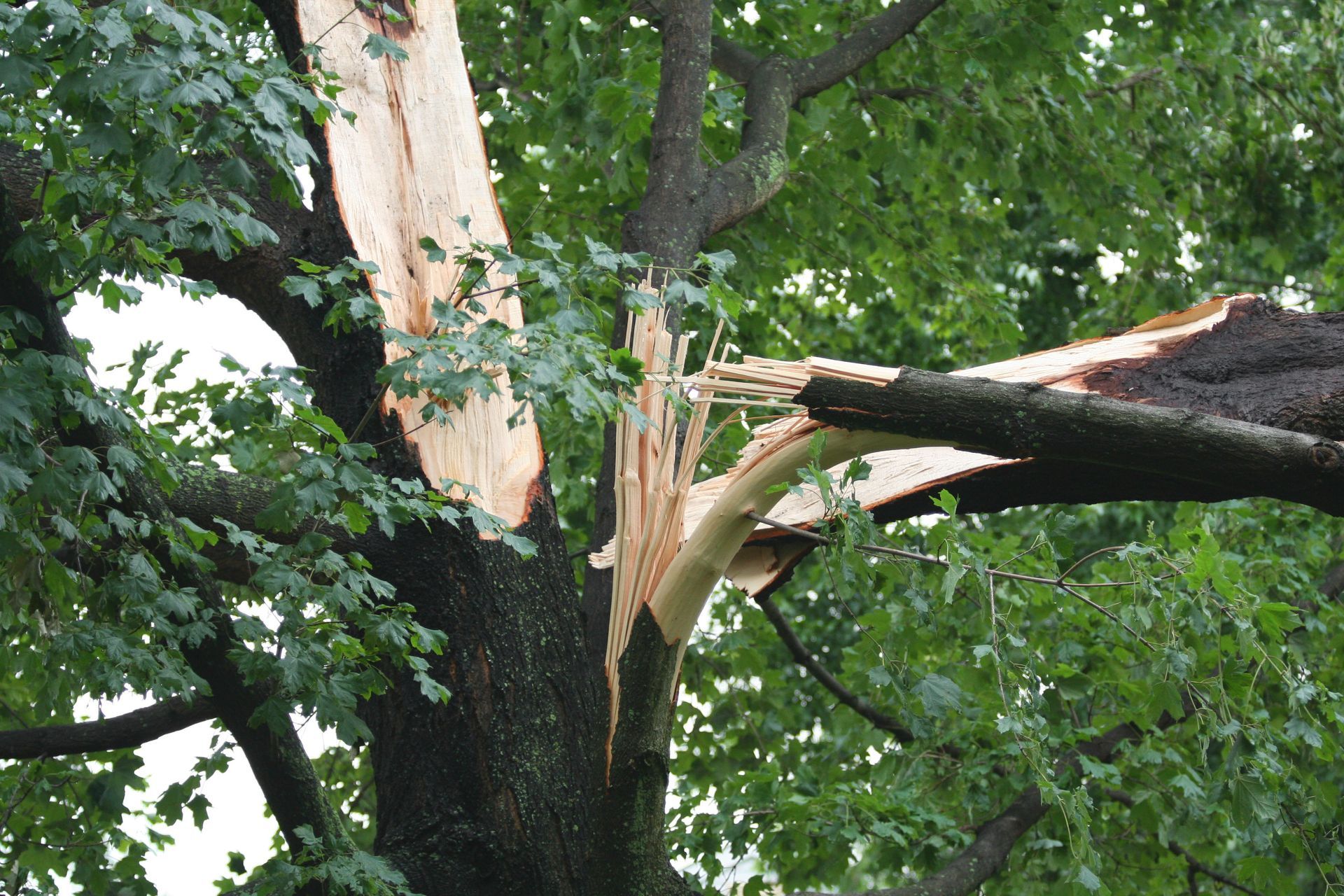
The most immediate and compelling motivation for property owners to seek assistance involves mitigating severe structural hazards before damage occurs. Large dead branches, hollowed trunks, and unbalanced weight distribution significantly increase the likelihood of unexpected collapse during turbulent weather. When a compromised tree stands near residential structures, power lines, or public pathways, prompt evaluation becomes an absolute priority. Engaging a certified tree remover allows property owners to determine structural stability accurately, ensuring that high-risk vegetation is removed using controlled rigging procedures that safeguard adjacent infrastructure.
Homeowners often face challenges when trees grow too close to buildings, power lines, or other structures, raising the risk of property damage. Even roots can pose a risk by impacting underground utilities or causing foundation issues. According to This Old House, professionals can remove a tree in one day unless there are multiple trees to cut or the location is difficult to access. This demonstrates the efficiency and necessity of involving experts who can manage these safety concerns promptly. Addressing these underlying structural vulnerabilities early prevents costly property repairs and maintains a secure exterior environment.
Identifying Advanced Biological Decay Signals
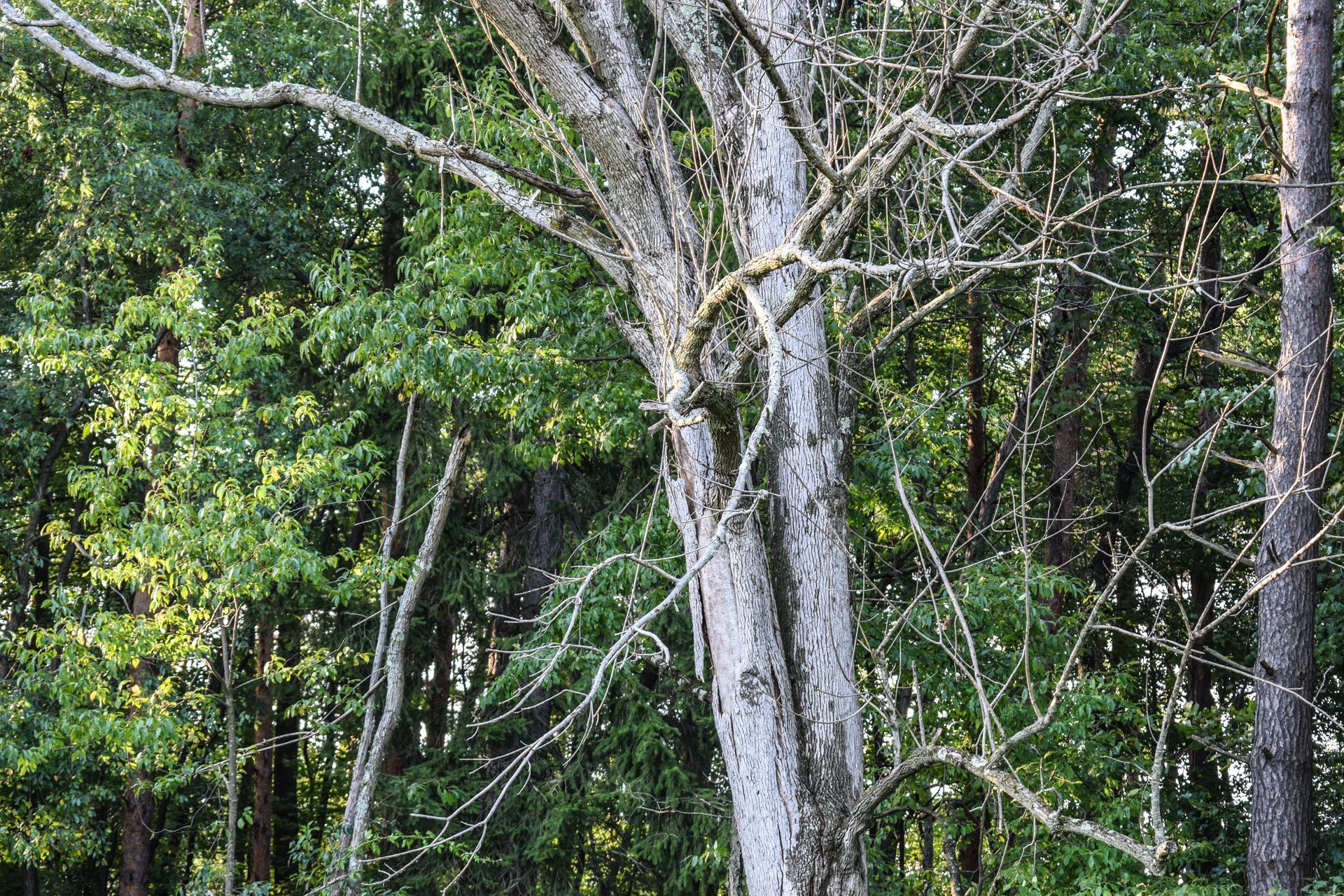
Living trees often suffer from internal fungal pathogens, parasitic insect infestations, and deep trunk rot that quietly compromise structural integrity over time. Because internal decay is not always visible from ground level, subtle external symptoms such as foliage discoloration, bark peeling, or premature leaf drops warrant immediate attention. If biological degradation becomes too severe, the internal wood fibers lose their load-bearing capacity, making the tree susceptible to sudden snapping. Consulting a trained tree remover enables property managers to catch hidden decay early, preventing diseased wood from contaminating neighboring healthy flora.
When internal rot progresses past the point of therapeutic treatment or structural cabling, complete extraction becomes the only viable path forward. Leaving infected specimens in place allows fungal spores and wood-boring insects to migrate freely across the canopy, threatening entire residential ecosystems. Strategic extraction eliminates these biological vectors while clearing space for disease-resistant native flora that enhance local biodiversity. Through systematic health monitoring and professional diagnostics, property owners can maintain a vibrant landscape that remains resilient against changing climate conditions and aggressive regional pests.
Optimizing Commercial Spatial Planning Projects
Expanding existing residential footprints or launching commercial development initiatives frequently requires clearing overgrown or poorly positioned timber. When dense canopy cover blocks necessary natural light or interferes with proposed architectural foundations, careful clearing optimizes available land usage. Integrating a skilled tree remover into the initial site design phase allows project managers to identify which specimens can be integrated into the final design and which must be extracted. This calculated approach harmonizes structural construction requirements with surrounding natural elements.
Strategic land clearing does more than simply clear room for foundations; it fundamentally redefines how outdoor spaces function and look. Removing overcrowded or poorly positioned trees opens up open sightlines, improves natural lawn lighting, and allows air to circulate freely across the property. Proper site preparation prevents root systems from interfering with new concrete foundations, driveway installations, and underground utility connections. By balancing structural development objectives with smart environmental planning, property owners maximize land utility while building long-term equity.
Navigating Local Environmental Regulatory Requirements
Navigating municipal environmental ordinances and securing necessary work permits represents an essential preliminary step in any major clearing project. Many local jurisdictions enforce strict preservation laws designed to protect mature canopy coverage, historical specimens, and sensitive local watersheds. Engaging a licensed tree remover ensures that all extraction work complies fully with regional codes, preventing unexpected municipal fines or project delays. Certified contractors regularly handle permit documentation, environmental impact assessments, and public safety notifications required by municipal planning boards.
Understanding legal frameworks ensures that property modifications align with broader community conservation goals and urban forestry directives. Municipalities often mandate replacement plantings or specific timber handling protocols to mitigate local ecological disruption during land development. Following established legal guidelines maintains complete project transparency while supporting regional environmental balance. Working alongside knowledgeable industry specialists simplifies these administrative requirements, allowing property owners to focus on their overall landscape management goals with total peace of mind.
Executing Structured Site Preparation Protocols
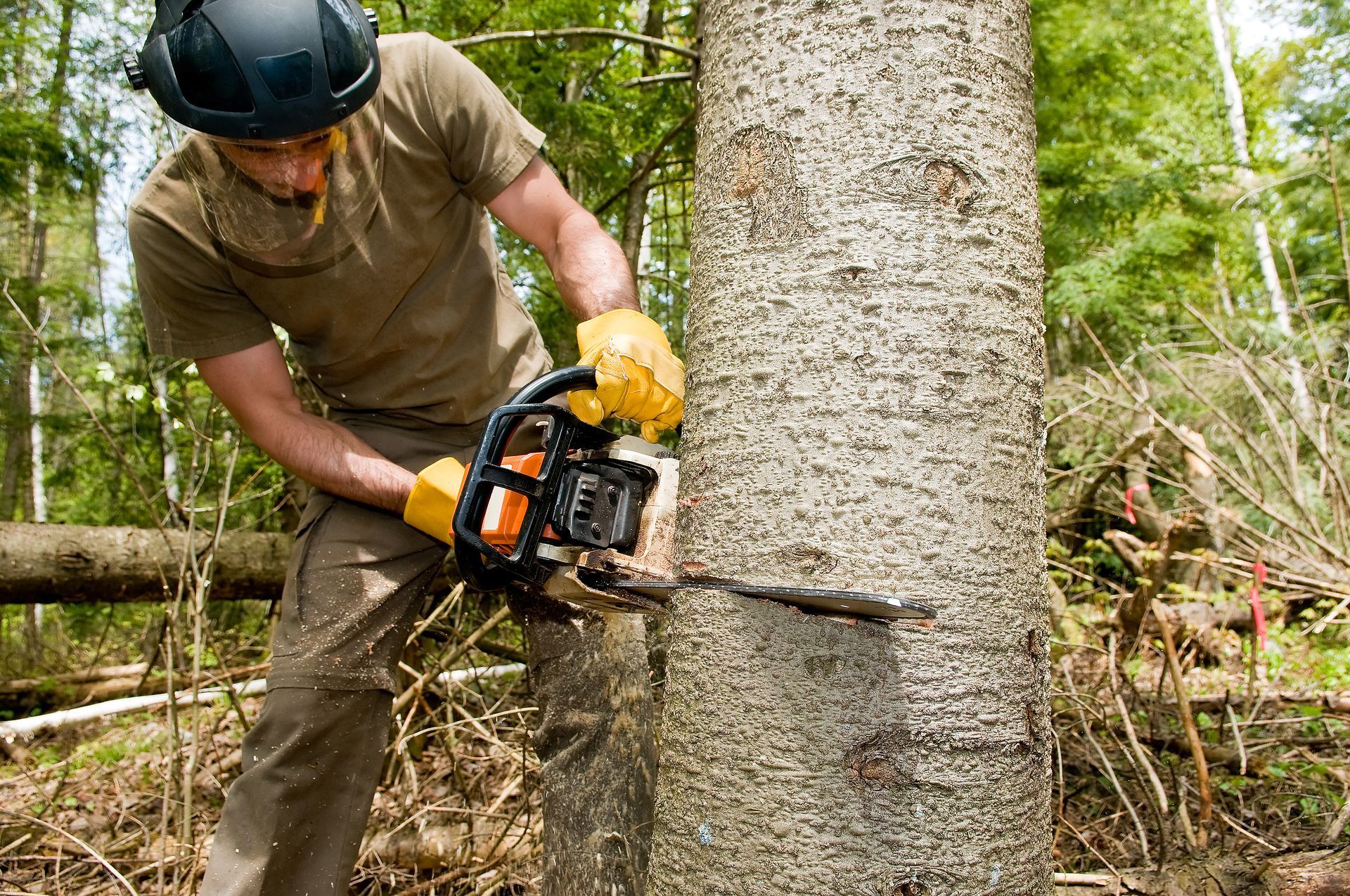
Professional timber management relies on detailed preliminary site inspections to identify potential hazards, entry constraints, and drop zones before equipment arrives on site. Technicians evaluate soil stability, overhead utility lines, adjacent buildings, and underlying root systems to map out precise felling or sectioning angles. Hiring an experienced tree remover guarantees that every operational phase is planned with precision, using specialized rigging lines, crane support, or aerial lifts tailored to specific site challenges. Establishing these preliminary parameters prevents operational bottlenecks and keeps machinery maneuvering safely throughout the execution phase. Detailed prep work minimizes operational delays and ensures complete safety for field crews and nearby residents.
During the initial site evaluation, crews mark clear drop zones and establish secure perimeter boundaries to keep unauthorized individuals out of the active work area. Technicians also assess weather conditions, wind speed, and slope stability to adapt cutting techniques for maximum control. Standardized preparation protocols eliminate guesswork, allowing crews to handle complex extractions near delicate structures efficiently. Establishing clear communication protocols among ground crew members ensures that every piece of heavy machinery moves seamlessly without compromising safety. Thorough preliminary assessments form the backbone of successful landscape interventions, turning complex spatial challenges into controlled, predictable workflows.
Delivering Professional Property Care Standards
Executing complex landscape interventions requires a rigorous combination of certified technical expertise, specialized heavy equipment, and standardized safety protocols. From initial hazard assessments and municipal permit acquisition to controlled canopy sectioning and post-extraction site cleanup, professional crews handle every phase with meticulous care. Partnering with a reliable
tree remover guarantees that dangerous structural liabilities are addressed efficiently, protecting your property value and surrounding structures for years to come.
Investing in professional landscape care ensures that your outdoor environment remains safe, visually appealing, and ecologically balanced. Qualified arborists bring the industry experience and technical precision needed to handle even the most challenging high-risk extractions smoothly. If you have hazardous, diseased, or overgrown timber on your residential or commercial grounds, reach out to the experienced team at TJM Tree Service & Landscape Design today to schedule your comprehensive site assessment and secure expert service tailored to your exact needs.
Share On: