
How to Tell If a Tree Is Dead And What to Do Next
By Thomas Moore | October 13, 2026
Trees add tremendous aesthetic beauty, environmental benefits, and property value to any residential landscape. However, like all living organisms, trees eventually age, contract diseases, suffer structural damage, or reach the end of their natural lifespans. Identifying a dead or dying tree early is essential for maintaining outdoor safety, preventing property damage, and preserving surrounding landscape features. Recognizing subtle signs of structural decline allows property owners to take proactive measures before a severe storm causes catastrophic failure. Understanding how to diagnose tree health and knowing when to call specialists for local tree removals ensures your property remains safe, attractive, and well-managed throughout every season.
Determining whether a tree is truly dead can sometimes be challenging, particularly during late autumn and winter when deciduous species naturally shed their foliage and enter seasonal dormancy. A dormant tree remains healthy internally, storing essential energy reserves in its root system to sprout fresh leaves when warm weather returns in spring. Conversely, a dead tree has completely lost its biological capacity to transport water and nutrients through its vascular system. According to Today's Homeowner, a tree that has suffered damage or decay on over half of its structure will likely require removal. Evaluating specific physical indicators—such as bark condition, branch flexibility, trunk stability, and root integrity—helps homeowners differentiate between temporary seasonal dormancy and permanent structural death, guiding timely decisions regarding local tree removals.
Evaluating Trunk and Bark Integrity
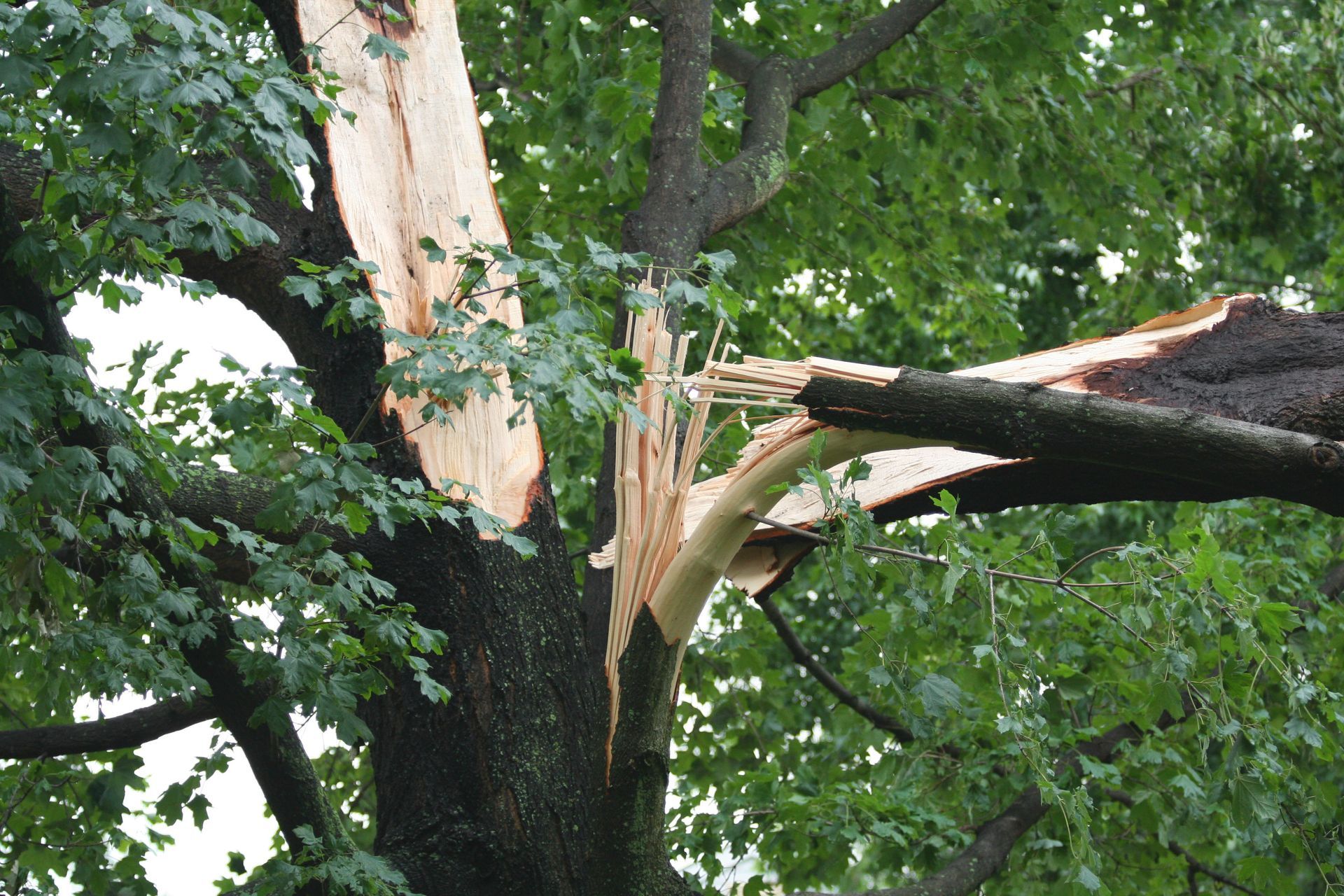
Examining the main trunk and exterior bark provides some of the most reliable clues regarding a tree's internal biological state. Healthy trees continuously produce new wood beneath their outer bark, which allows the trunk to expand and maintain structural integrity. As a tree dies, its outer bark loses moisture, shrinks, and begins peeling away in large patches, exposing the dry sapwood beneath. Deep vertical cracks, hollow cavities, or soft pockets of rotting wood along the main trunk indicate advanced interior decay. When trunk rot compromises structural stability, contacting experts who specialize in local tree removals becomes necessary to eliminate serious safety risks.
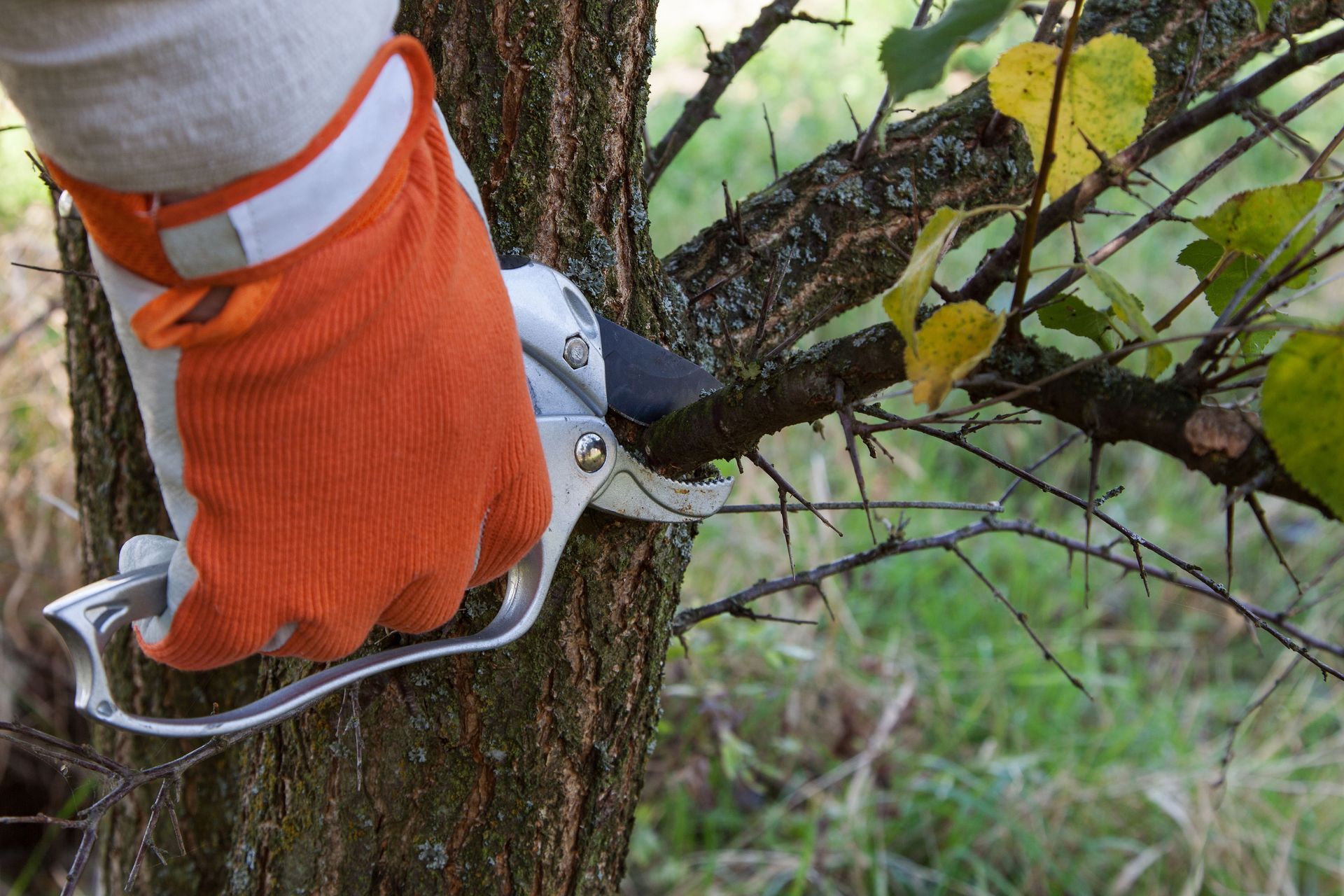
Another useful diagnostic method for evaluating trunk health is the simple scratch test on small branches or lower bark sections. Using a pocket knife or fingernail, gently scratch away the thin outer layer of bark to reveal the underlying tissue, known as the cambium layer. On a living tree, this tissue appears vibrant green, moist, and pliable, confirming active nutrient transportation. If the underlying layer appears dry, brittle, and brown or grey across multiple branches, that section of the tree is dead. Performing this test at various locations around the trunk and lower canopy helps determine whether damage is localized to a single branch or spread throughout the entire tree structure.
Assessing Branch Flexibility and Canopy Health
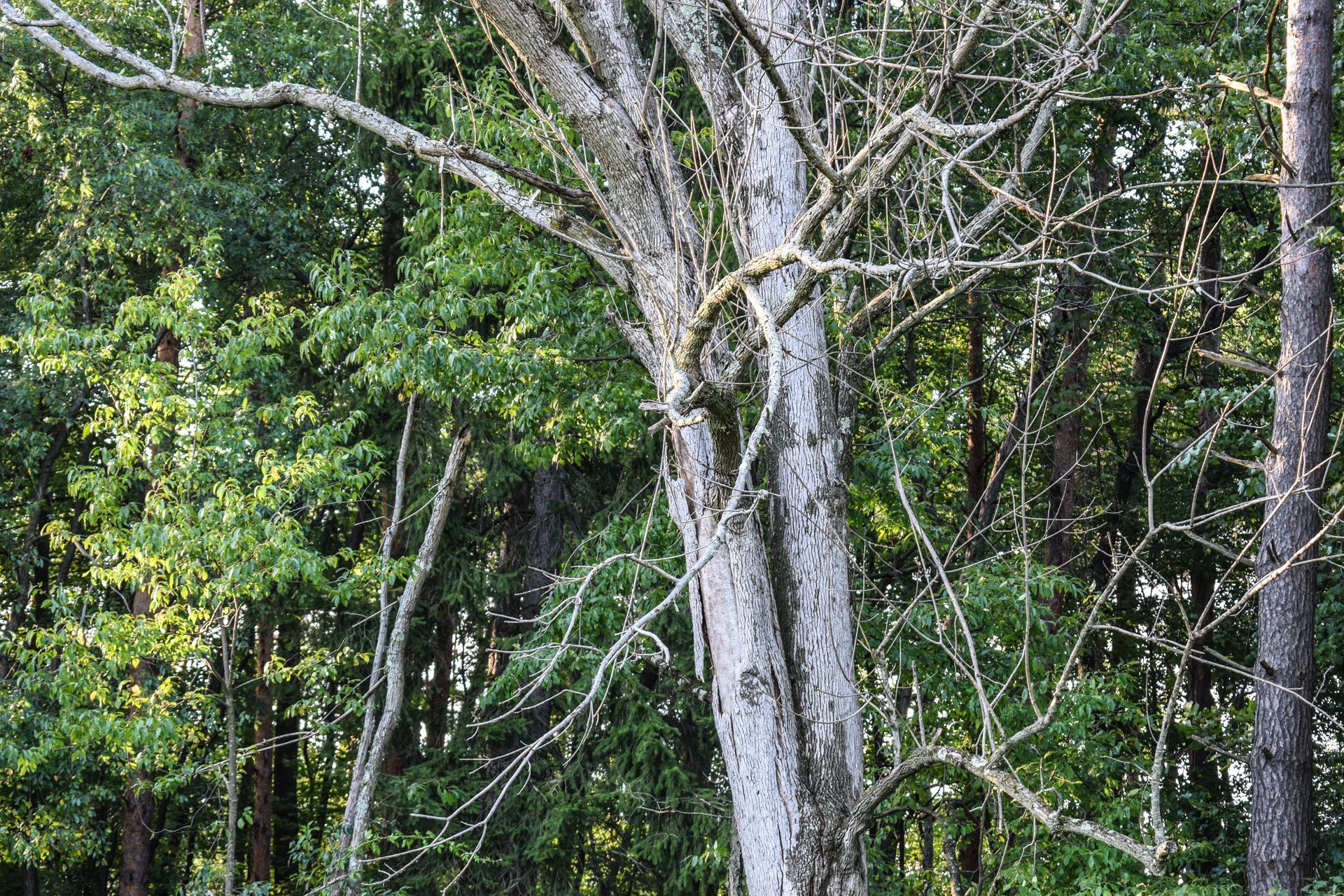
A tree's canopy offers immediate visual feedback regarding its overall vigor and physiological health. During the active growing season, a healthy tree displays full, vibrant foliage evenly distributed across its upper branches. A dying or dead tree often exhibits sparse foliage, premature leaf drop, off-color leaves, or large bare areas where branches fail to produce buds. If a deciduous tree retains brown, withered leaves throughout the winter into late spring, it often signals a sudden vascular failure that prevented the tree from shedding its foliage normally.
Inspecting individual branches provides further insight into the extent of structural decline within the canopy. Healthy twigs flex easily when bent, whereas dead branches snap cleanly and feel lightweight and brittle. Furthermore, dead branches frequently shed their smaller twigs, leaving behind bare, stark limbs that pose an immediate falling risk during high winds or heavy snow accumulation. When large structural limbs in the upper canopy die and dry out, hiring qualified arborists for local tree removals protects nearby roofs, power lines, and driveway areas from unpredictable limb breakage.
Identifying Fungal Growth and Decay Signals
Fungi play an essential role in nature by breaking down dead organic matter, but their presence on a standing tree usually signals severe internal decay. Wood-decaying fungi enter trees through pruning cuts, storm wounds, or root damage, gradually digesting the structural lignin and cellulose that support the tree's weight. Seeing bracket-shaped shelf mushrooms, conks, or clusters of toadstools sprouting from the main trunk or root flare indicates that internal rot is already advanced.
Because fungi feed primarily on dead or decaying wood, fungal fruiting bodies appearing directly on the trunk suggest that internal structural integrity is heavily compromised. While some saprophytic fungi only affect dead outer bark, soft mushroom clusters growing near the base of the tree often point to severe root rot. Once decay organisms hollow out the internal heartwood, the tree loses its ability to withstand heavy winds or structural stress. In these cases, consulting specialists in local tree removals is crucial to safely lower the compromised structure before it collapses unexpectedly.
Inspecting Below-Ground Roots and Soil Boundaries
A tree's root system serves as both its anchor against strong winds and its primary pipeline for water and essential soil nutrients. Because roots exist below ground, evaluating root health requires careful observation of the soil line, ground slope, and root flare around the base of the trunk. Severed roots from recent trenching, construction activity, or soil compaction from heavy equipment frequently initiate a slow decline that culminates in total tree death years later.
Physical signs of root failure include a noticeable leaning trunk, soil heaving or cracking on the side opposite the lean, and exposed roots that appear soft, decayed, or easily broken. Fungal growth emerging directly from the soil surrounding the base of the tree also points to extensive root rot beneath the surface. When a tree's anchor roots die, the risk of total uprooting increases dramatically, especially during heavy rainstorms that saturate the surrounding soil. Engaging certified crews for local tree removals addresses these unstable, root-damaged trees before they topple onto adjacent structures or neighboring properties.
Planning Safe Professional Removal Protocols
Once you have confirmed that a tree is dead or structurally unsalvageable, taking swift action to address the hazard is the safest path forward. Dead trees become progressively more brittle and dangerous as time passes, making delayed removal significantly more hazardous and complex. Leaving a dead tree standing increases the likelihood of falling limbs, pest infestations, and structural failure, potentially exposing property owners to liability for damage caused to neighboring properties or public roadways.
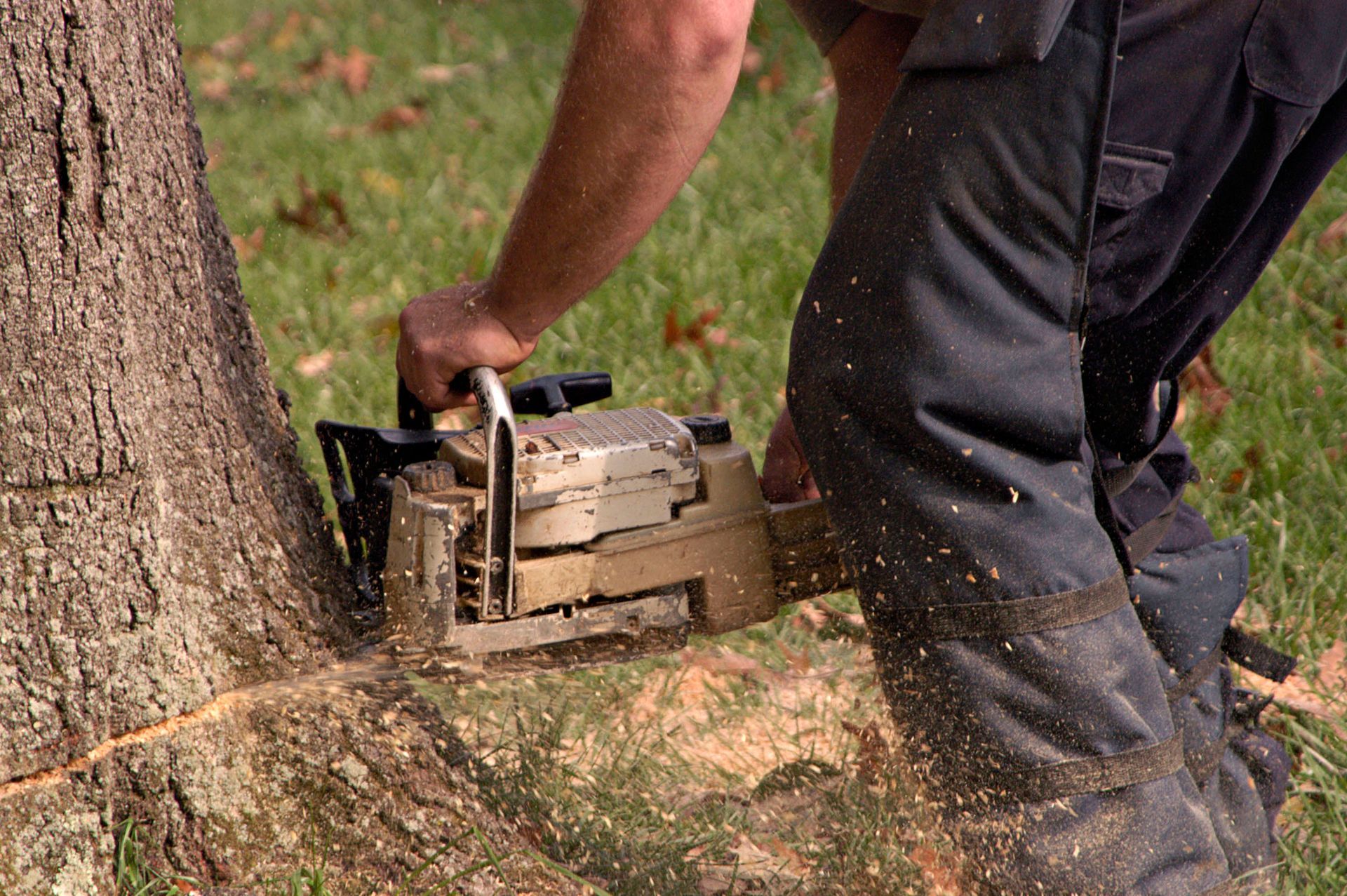
Managing a dead tree removal requires professional equipment, rigorous safety protocols, and specialized rigging techniques. Certified arborists evaluate site access, nearby utility hazards, and structural lean before executing a controlled dismantling plan. Choosing experienced professionals for local tree removals guarantees that heavy limbs are lowered safely without damaging surrounding lawns, gardens, or buildings. After the main structure is cleared, property owners can opt for stump grinding services to completely eliminate the remaining root base, restoring the landscape for future planting projects.
Protecting your remaining trees requires proactive care, seasonal monitoring, and timely professional maintenance. Regularly inspecting your property's trees after severe weather helps identify minor damage, broken limbs, or early signs of disease before they threaten overall tree health. Routine pruning, proper mulching, adequate irrigation during dry spells, and protecting root zones from heavy vehicle traffic foster strong, resilient trees that resist environmental stressors. When a tree eventually reaches the end of its life, working with experts skilled in local tree removals ensures a seamless transition, allowing you to safely refresh and revitalize your outdoor living space for years to come. Reach out to TJM Tree Service & Landscape Design today to schedule a professional tree evaluation and protect your property with our expert removal and maintenance services.
Share On: