
How Tree Removal Contractors Safely Handle Large and Dangerous Trees
By Thomas Moore | January 5, 2026
We explore the methods and practices tree removal contractors use to safely and efficiently handle large and dangerous trees. With increasing awareness of safety and environmental concerns, understanding these methods is crucial for both contractors and property owners. Tree removal is a complex and often risky task that requires specialized skills, advanced equipment, thoughtful planning, and a clear understanding of local regulations. This complexity becomes even more pronounced in dense urban areas where large trees can threaten structures, vehicles, power lines, and public spaces. By recognizing these hazards early and applying strategic mitigation techniques, tree removal contractors can reduce risk, safeguard communities, and carry out work with greater precision. According to Lawn & Landscape, more than 100 homeowners are killed each year in the U.S. during DIY tree work, a statistic that highlights why trained professionals are essential for managing hazardous tree conditions safely.
Understanding Tree Risk Assessment
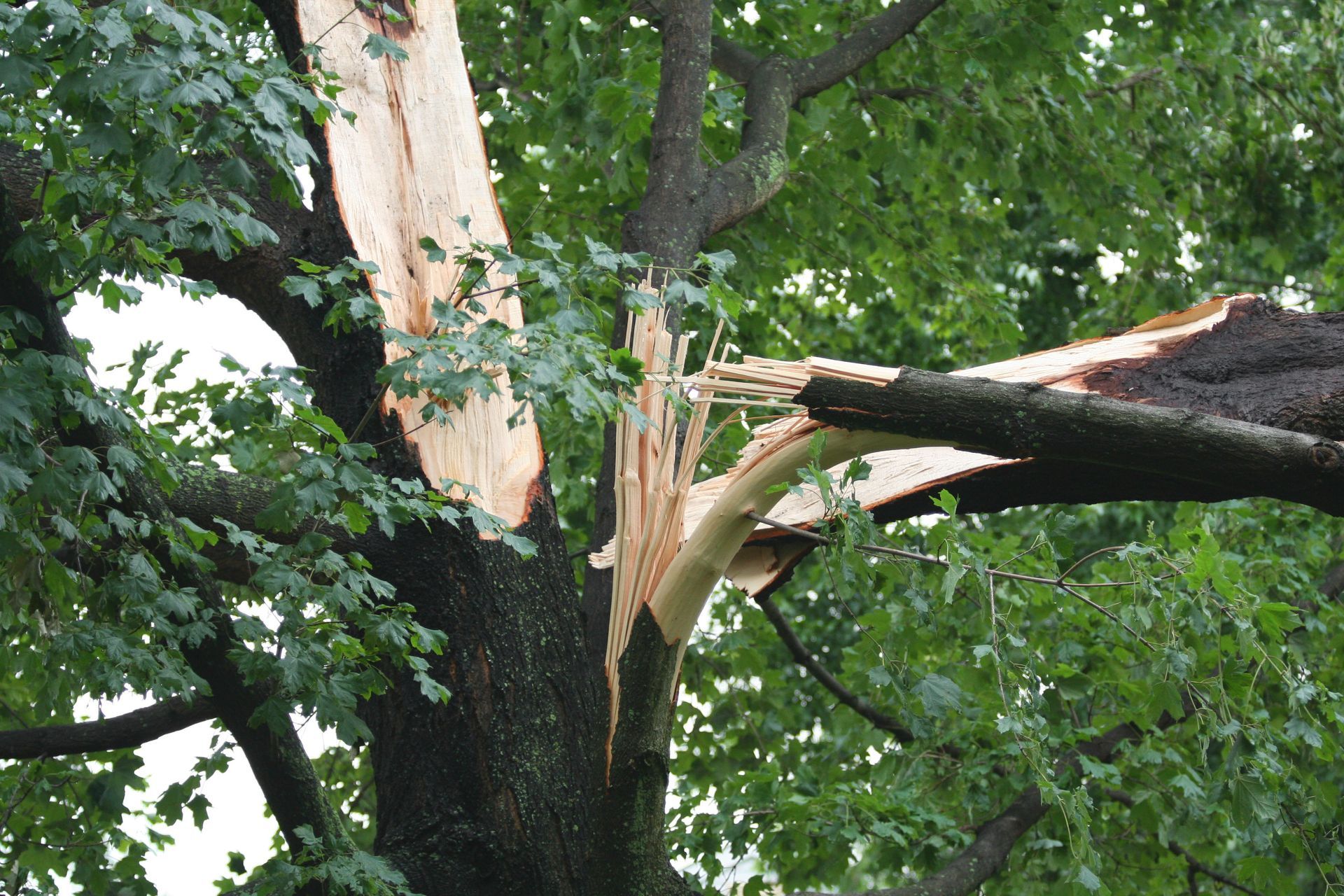
The first step in any effective tree removal process is conducting a detailed tree risk assessment. Contractors begin by identifying hazardous trees that show structural weaknesses, leaning trunks, or broken limbs that could pose immediate danger. Thorough evaluation prevents misjudgment, as many warning signs are subtle and require expert interpretation. A trained professional can determine whether a tree is likely to fall, break apart, or damage nearby property, making early intervention critical for maintaining safety.
Tree health and structural integrity also play a substantial role in determining risk levels. Contractors carefully inspect trees for internal decay, pest infestations, or fungal diseases that could compromise stability. These assessments often extend to root systems, which can weaken due to soil conditions, construction activity, or improper planting. Modern diagnostic tools help detect hidden issues and support informed decisions about whether removal is necessary.
Environmental considerations guide contractors as they plan responsible removal strategies. Evaluating habitats, soil conditions, surrounding trees, and biodiversity helps reduce ecological disruption. Proper planning protects wildlife and minimizes long-term environmental harm. Additionally, adherence to legal regulations ensures compliance with local codes, permitting requirements, and environmental protections. These laws often dictate which trees may be removed and under what conditions. By following these standards, contractors maintain professional integrity and avoid legal complications that tree removal contractors must always consider.
Planning and Preparation
Careful planning is essential for any tree removal operation, especially when working around obstacles like buildings, vehicles, utilities, and narrow access points. Contractors start with a detailed site analysis, examining terrain, surrounding structures, and available working space. This preparation helps determine the safest approach and ensures that all equipment can be positioned effectively. Without this preliminary survey, the likelihood of accidents or property damage increases considerably, which is why many property owners rely on experienced tree removal contractors.
A structured work plan is then developed to outline the sequence of operations. Each team member receives a clearly defined role, ensuring coordinated movement throughout the process. Escape routes and emergency procedures are planned in advance to protect crew members. A well-coordinated plan fosters efficiency and reduces uncertainty, creating a safer overall work environment.
Permits are often required for removing large or protected trees, and contractors must stay updated on local regulations to remain compliant. The permitting process may involve submitting assessment reports, photographs, or removal justifications. When contractors manage permits responsibly, they protect clients from fines and project delays and reinforce trust within the community.
Equipment and Tools Used in Tree Removal
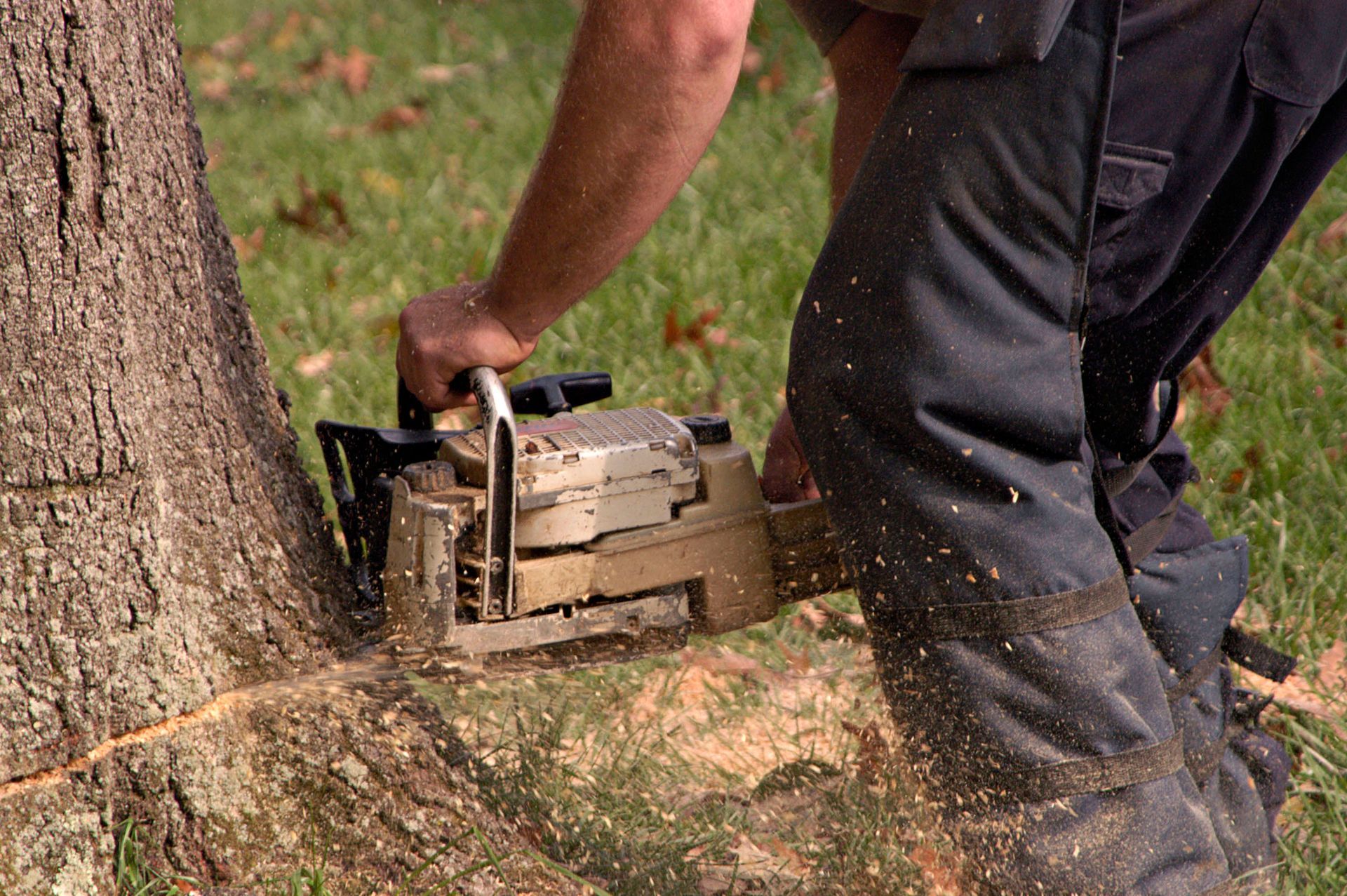
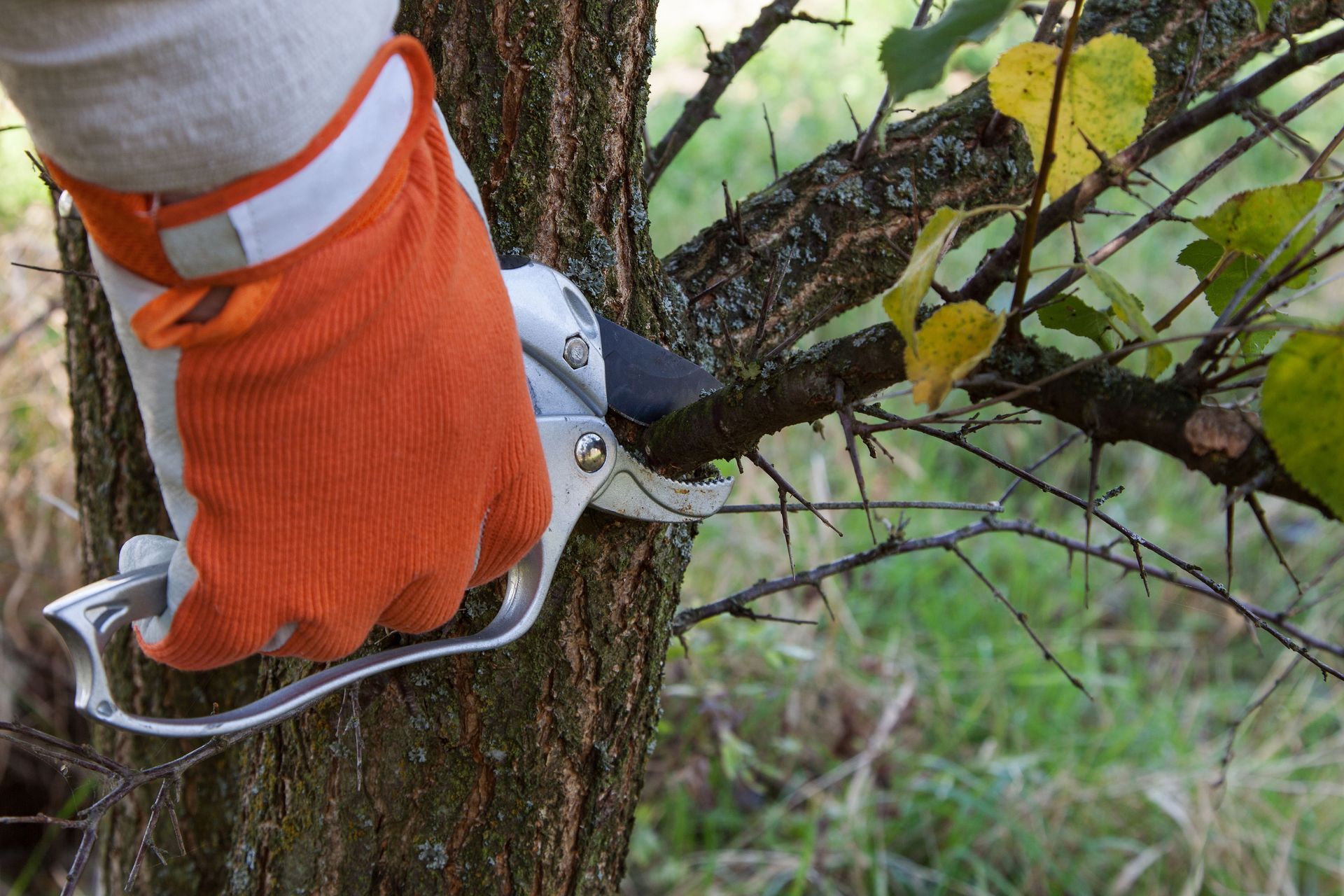
Chainsaws and specialized cutting tools are essential components of tree removal operations. Contractors select equipment based on tree size, density, and species, ensuring that each tool is suited to the task. Proper maintenance, including sharpening blades and checking fuel systems, ensures safety and performance. Manual saws and pruning tools complement chainsaws for fine adjustments or cuts made in tight spaces.
Cranes and aerial lifts provide safe access to high branches and allow for precise lowering of large tree sections. These machines are especially helpful in confined areas where directional felling is not feasible. Skilled crane operators work closely with ground crews to manage weight distribution and ensure controlled movement. Proper coordination reduces the chance of damage to property and enhances overall safety.
Safety gear, including helmets, gloves, visibility clothing, and hearing protection, is required for all personnel on-site. These protective items help guard against falling debris, loud noise, sharp tools, and other hazards. Contractors emphasize ongoing training on how to wear, maintain, and inspect protective gear, reinforcing a culture of safety among tree removal contractors and their teams.
Techniques for Safely Removing Large Trees
Directional felling is one of the most common techniques for removing trees in open spaces. Contractors strategically cut a notch and back cut to guide the tree's fall toward a designated direction. This method requires understanding the tree's weight distribution, wind conditions, and natural lean. When executed correctly, directional felling greatly reduces unwanted impact and helps maintain a controlled fall.
Tree climbing techniques are essential when working in areas where machines cannot reach or when sectional removal is necessary. Using ropes, harnesses, and spikes, climbers carefully ascend the tree and cut branches piece by piece. This highly skilled practice allows contractors to address limbs that pose immediate risks to structures or utilities.
Sectional dismantling is widely used in urban areas where space is limited. Instead of felling the tree whole, contractors remove it in sections from the top down. Each piece is lowered using rigging equipment or cranes, minimizing shock and ensuring controlled movement. This method reduces property damage risk and allows work to continue safely in constrained environments where professional tree removal contractors are especially valuable.
Dealing with Unexpected Challenges
Weather conditions can alter the safety of tree removal operations significantly. High winds, rain, or icy conditions introduce additional hazards that require caution. Contractors adjust schedules, secure equipment, and implement alternative plans when weather conditions become unsafe. Preparedness ensures that work is carried out responsibly without compromising safety.
Wildlife encounters are common during tree removal. Birds, squirrels, and other animals may inhabit tree cavities or nests, requiring humane relocation procedures. Contractors follow wildlife regulations and often collaborate with specialists to ensure ethical treatment. This approach supports biodiversity and reduces ecological disruption.
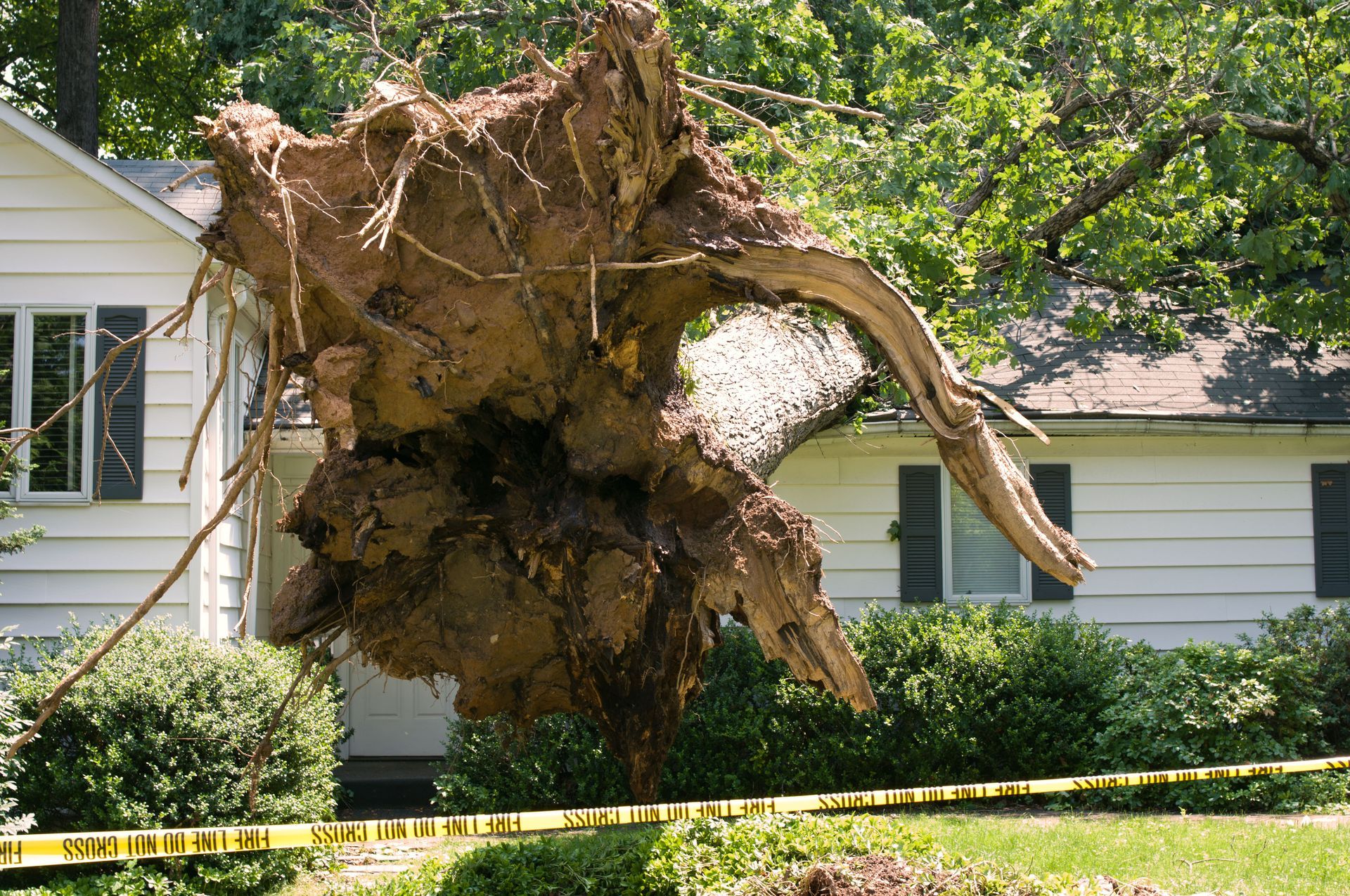
Structural instability poses another challenge. Trees weakened by disease, decay, or root damage require specialized handling. Contractors may stabilize sections using rigging or cranes before cutting, ensuring controlled removal. Addressing instability early prevents uncontrolled collapse and protects both workers and nearby structures.
Environmental and Community Impact
Wood recycling and waste management practices support sustainability within the industry. Contractors often partner with local facilities to convert removed wood into mulch, lumber, or biomass fuel. Efficient recycling reduces landfill waste and supports environmentally responsible operations.
Replanting and restoration initiatives help mitigate environmental impacts associated with removing mature trees. Many contractors participate in community reforestation efforts or recommend replacement species suited to local climates. These initiatives promote long-term ecological balance and improve community green spaces.
Community engagement and education foster cooperation and build trust. Contractors may hold informational sessions or provide educational materials to teach residents about safe tree removal, environmental impacts, and the importance of professional services. Well-informed communities support sustainable tree management and recognize the value of skilled professionals.
The safety measures and strategic processes used by tree removal contractors play an essential role in managing large and hazardous trees. By understanding each stage-from assessment to execution and community stewardship-property owners can make informed decisions and rely on professionals who prioritize safety and environmental responsibility. Contact our team at TJM Tree Service & Landscape Design today and get connected with our landscape services.
Share On: