
11 Signs a Tree in Your Yard Needs to Be Removed
By Thomas Moore | February 9, 2026
Trees are essential components of our ecosystem, offering numerous benefits such as shade, oxygen production, and habitat for wildlife. However, trees also pose certain risks, particularly when they become unhealthy or structurally compromised. Recognizing the signs that indicate a tree needs removal is crucial for maintaining safety and preventing potential damage to property. Local tree removals may be a valid option.
Understanding local tree removals and the factors that necessitate tree removal can help homeowners make informed decisions about their landscapes. When a tree becomes a hazard, either due to health deterioration or external factors, taking action becomes necessary. This article will explore the signs that highlight the need for removing a tree from your yard.
Removing a tree is not an easy decision, especially given its environmental importance. However, when a tree poses a threat to safety and property, local tree removals may be the only viable option. By examining key indicators of tree health and stability, you can ensure a safer environment for your home and community.
1. Concerning Visible Root Problems
When tree roots encroach on structures such as foundations, driveways, or sidewalks, it can lead to significant damage. The pressure from expanding roots can crack or shift structures, causing costly repairs. Moreover, roots can compromise plumbing systems by infiltrating pipes in search of moisture. This can lead to leaks and flooding, further escalating maintenance expenses. Regularly inspecting the proximity of roots to structures can help prevent these issues before they become severe. Local tree removals may be an option in this case.
2. Heaving Soil or Cracked Pavement
Heaving soil is an indication that roots are putting excessive pressure on the ground surface. This often results in the lifting and cracking of pavement or other hardscape, creating uneven surfaces and tripping hazards. Cracked sidewalks or driveways not only diminish curb appeal but can also contribute to accidents and injuries. Addressing these root-induced changes requires careful assessment by an arborist to determine the best course of action. In many cases, root pruning or tree removal might be necessary to resolve the issue.
3. Rotting Roots
Root rot is a serious condition often resulting from poor drainage or fungal pathogens. It causes roots to become waterlogged and structurally weak, making trees susceptible to falling. Symptoms of root rot include wilting foliage, stunted growth, and dark, mushy roots that lack structural integrity. Detecting root rot early on can prevent catastrophic tree failure, which may cause property damage or personal injury. Proper soil management and drainage improvement are essential in mitigating root rot risks.
4. Leaning or Lopsided Trees
Trees that develop a leaning angle beyond their natural growth habit may indicate underlying issues. While some trees naturally grow at an angle, a significant lean can suggest root instability or previous damage. Such trees become dangerous, particularly during storms, because they are more likely to topple over. According to Forbes, even trees in good health that lean more than 15% off vertical plumb should be removed for safety. Assessing the severity of the lean and its impact on nearby structures is crucial for determining the need for removal.
5. Observing Leaning Trees and Their History
A history of increasing lean or repositioning suggests progressive tree instability. Such patterns may be caused by soil erosion, shallow root systems, or previous storm damage. In these cases, monitoring changes in the tree's angle over time is vital in deciding if intervention is necessary. Removing a leaning tree before it becomes a safety hazard is often the best preventive approach. Professional assessments by arborists can provide insights into the tree's structural health and risk levels. If an arborist determines the tree could be an issue moving forward, local tree removals should be considered.
6. Discovering Foundational Weakness
Foundation weaknesses, such as cracked trunks or visible bark separation, may accompany significant leaning. These indicators suggest that the tree's core structure is compromised, raising the risk of collapse. External factors, like saturated soil after heavy rains, may exacerbate these weaknesses, increasing the tree's instability. Addressing foundation weaknesses promptly can prevent the tree from becoming a danger to property and people. In many cases, local tree removals may be the most effective solution to mitigate imminent threats.
7. Finding Noticeable Damage or Decay
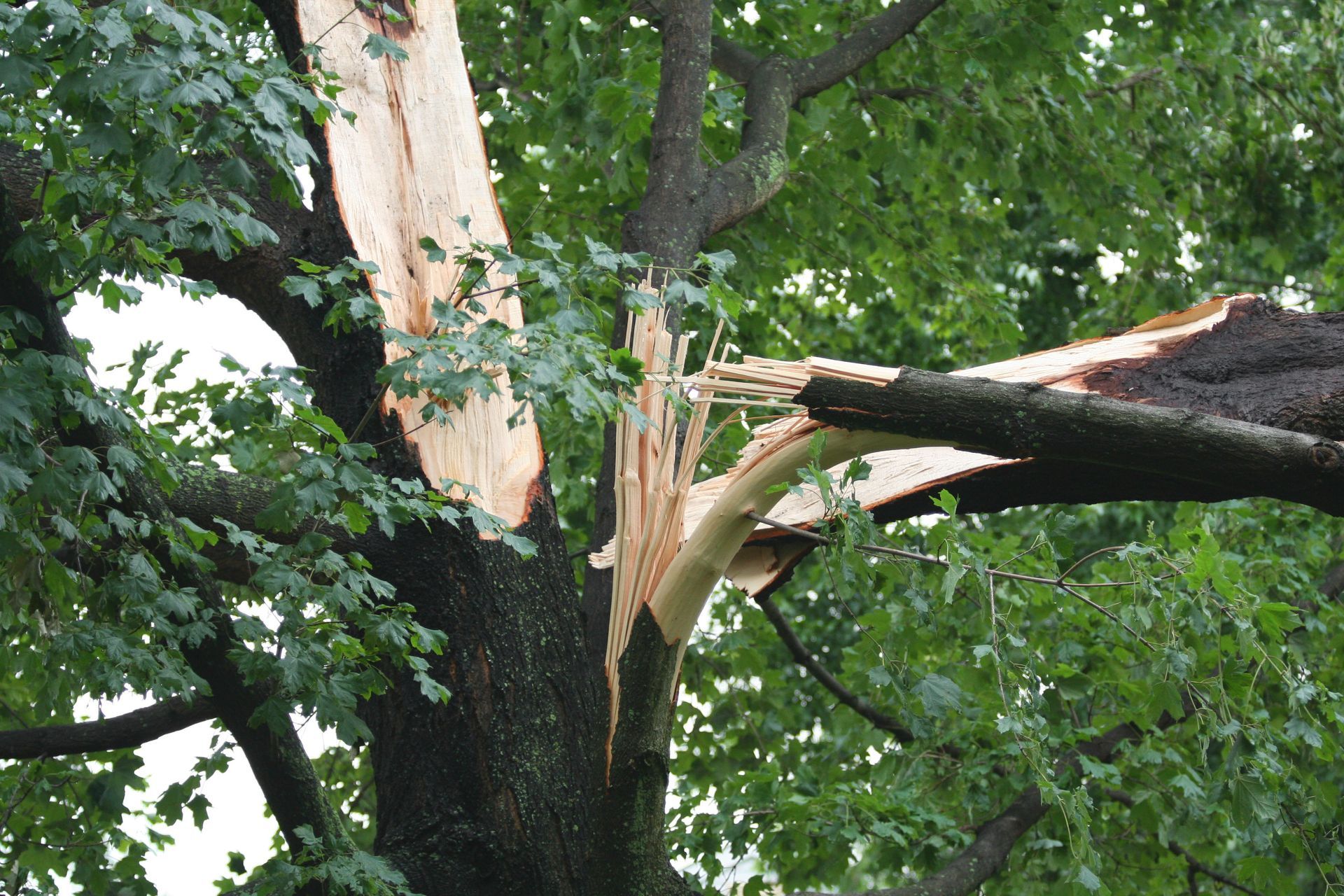
Cracks or cavities in the trunk or branches often signify internal decay and weakening. These structural flaws provide entry points for disease pathogens and insects, further compromising tree health. Large cracks can result from storm damage, improper pruning, or natural growth processes. Left unaddressed, these can lead to branch or trunk failure, posing hazards to nearby structures and people. Assessing the extent of cracks is essential for determining whether repair or removal is the appropriate course of action.
8. Understanding Fungal Growth on Tree Surface
Fungal growth, such as mushrooms or conks on the tree surface, typically indicates decay within the wood. These organisms thrive on decomposing material, suggesting that the tree's structural integrity is compromised. Watching for unusual fungal presence around the tree's base or branches can aid in early detection of wood rot. Removing affected trees or branches can prevent the spread of decay and reduce risks to property. Diagnosing such conditions could lead to local tree removals.
9. Discoloring or Peeling Bark
Discoloration or peeling of bark often serves as a visual cue of underlying health problems. Healthy bark should appear consistent and firmly attached, serving as a protective layer against external threats. When bark deteriorates or separates from the tree, it leaves the underlying tissues vulnerable to environmental damage and pests. This condition often accompanies other signs of decline, signaling possible decay or disease processes within the tree. Quick intervention can help in preserving or deciding upon the removal of affected trees.
10. Identifying Disease Symptoms
Excessive leaf shedding or wilting often indicates distress within the tree, perhaps due to pest infestations, disease, or root issues. Normally, trees shed leaves seasonally, but abnormal patterns can be a red flag for larger problems. Addressing the underlying causes, such as nutrient deficiencies or soil compaction, can sometimes reverse these symptoms. However, when disease or pests are the culprits, more aggressive measures, including removal, may be warranted. Regular monitoring helps in early identification and intervention to save the tree or determine necessary actions.
11. Observing Powdery Mildew or Leaf Spots
Powdery mildew or leaf spots are common signs of fungal infections impacting the foliage. They disrupt the tree's ability to photosynthesize efficiently, leading to weakened growth and structural issues. When such signs are widespread, they can significantly affect tree health, requiring targeted treatments. If infections persist despite interventions, considering tree removal may be necessary to prevent spreading to adjacent trees. Proper sanitation and optimization of growing conditions are crucial in disease management and prevention.
Recognizing the critical indicators of potentially hazardous trees is key to ensuring safety and limiting property damage. While the decision to remove a tree can be challenging, prioritizing safety and landscape harmony is crucial. By understanding and addressing visible root problems, structural damage, disease symptoms, impacts from weather events, and environmental or functional concerns, you can foster a safer outdoor environment. Proactive measures, such as regular inspections and timely interventions, can prevent larger issues from escalating and preserve the balance between urban growth and ecological integrity. Remember, consulting with professionals is always advisable when dealing with complex tree health or structural challenges. If you need a professional diagnosis of a potentially problematic tree on your property, call TJM Tree Service & Landscape Design today.
Share On: