
10 Factors That Affect the Need for Tree Removal
By Thomas Moore | April 8, 2026
Tree removal is a complex process influenced by multiple factors that homeowners and property managers should understand to make informed decisions. Each tree presents unique characteristics, environmental conditions, and safety concerns that impact whether it requires removal. Recognizing these elements helps property owners engage effectively with a professional tree removal company and plan safe and efficient interventions.
1. Evaluate Tree Size and Height
The overall size of a tree heavily influences the complexity of removal. Larger trees demand more labor, time, and specialized equipment to safely dismantle branches and trunks. Smaller trees, in contrast, generally require fewer resources, making removal simpler and quicker. Partnering with a reputable tree removal company allows homeowners to receive transparent guidance on how size affects removal strategies and ensures safe handling.
Height is equally significant, as taller trees pose elevated risks during removal. Professionals often employ cranes, harnesses, and industrial-grade ropes to manage trees that exceed standard heights. Safety considerations increase when nearby structures or power lines are present, requiring meticulous planning. A tree removal service evaluates both size and height to design a methodical approach, mitigating hazards while ensuring the project proceeds smoothly.
2. Assess Trunk Diameter and Canopy Spread
The diameter of a tree’s trunk is a practical determinant for removal methods. Wider trunks often necessitate segmented cutting and specialized saws, which extends labor time and operational planning. Narrower trunks are easier to handle, reducing both manpower and equipment needs. Consulting a professional tree removal company for accurate trunk measurements helps homeowners anticipate the scope and challenges of removal.
Canopy spread further impacts removal complexity. Broad canopies require additional branch removal and careful cutting to prevent property damage, while smaller spreads involve fewer logistical challenges. Large canopy trees can increase debris, necessitating extended cleanup operations. Understanding these aspects enables homeowners to coordinate with a tree removal service to address safety and operational requirements effectively.
3. Analyze Root System and Environmental Impact
Tree roots significantly influence removal procedures. Deep or wide root networks may interfere with underground utilities or nearby structures, requiring careful excavation or specialized equipment. Simpler root systems are easier to manage, reducing labor intensity and the time needed for removal. By evaluating root structures, homeowners can better prepare for potential challenges and ensure that interventions do not compromise surrounding areas.
Root complexity can also affect compliance with local regulations, such as permits for removing trees that support soil stability or prevent erosion. Working with a tree removal service ensures all environmental considerations are addressed while maintaining operational efficiency. Proper assessment of the root system minimizes risks and allows for safe and effective tree extraction.
4. Consider Tree Species and Wood Density
The species of a tree determines the effort required for removal. Hardwoods are dense and labor-intensive to cut, while softwoods are generally easier to handle. Variations in branch patterns, toxicity, or protected status can further influence removal strategies. Professional arborists from a tree removal service assess species characteristics to develop accurate, safe removal plans tailored to each tree.
Species selection also impacts disposal and cleanup methods. Hardwoods may require more resources for processing and transportation, while softwoods are easier to manage. Understanding these nuances ensures homeowners work with tree removal companies capable of handling both the physical and logistical requirements unique to each species.
5. Inspect Tree Health and Structural Integrity
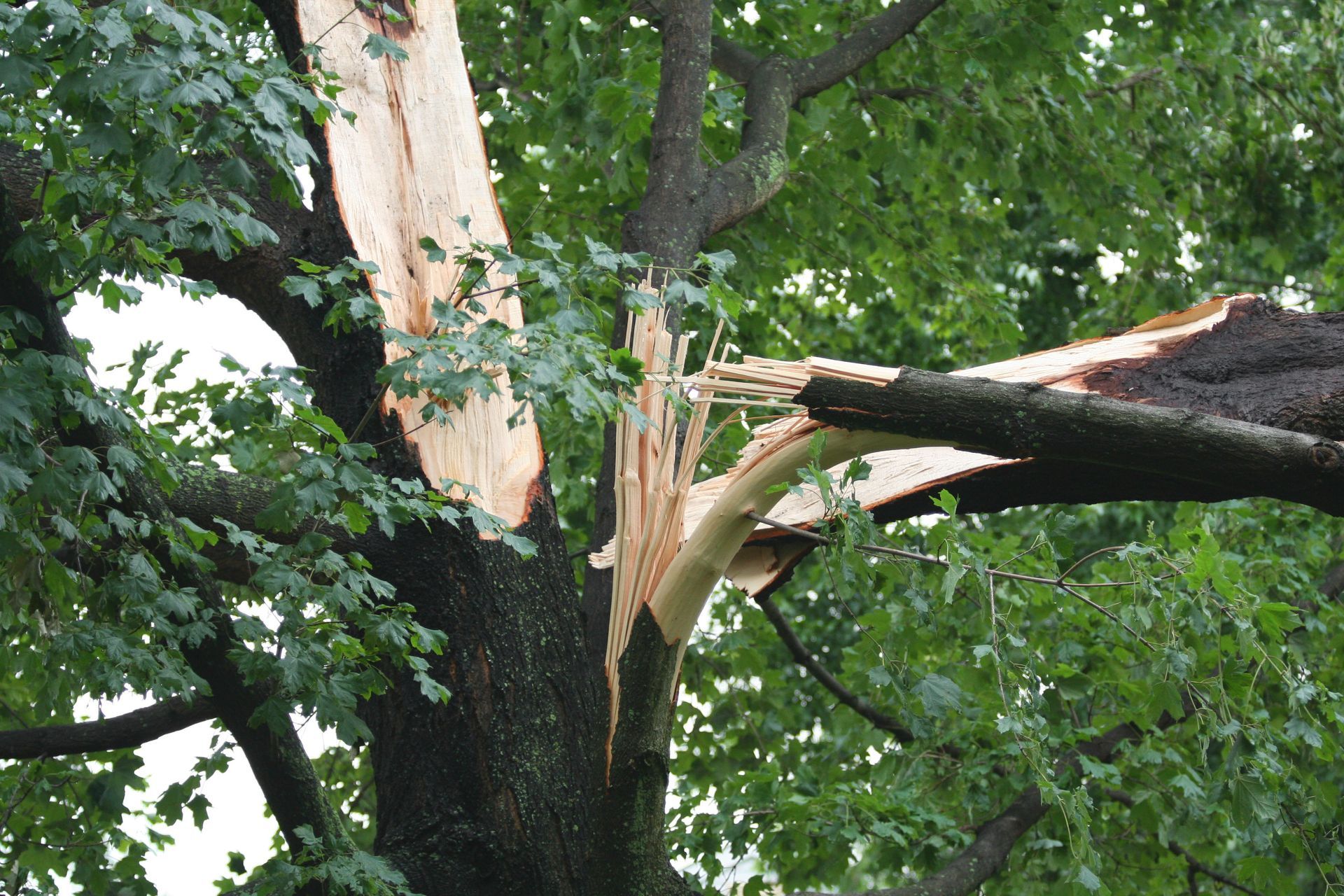
A tree’s health is a critical factor in determining the need for removal. Healthy trees often require more careful planning due to robust structures, while weakened or damaged trees may pose safety hazards. Trees exhibiting more than 50% decay or damage, according to Today’s Homeowner, frequently necessitate removal. Early detection of structural compromise allows a tree removal company to implement safe methods that minimize risk to people and property.
Health assessments guide the removal approach and equipment used. Unstable or decaying trees can collapse unpredictably, making precision and professional experience crucial. Certified tree removal companies employ specialized techniques, such as incremental branch cutting or controlled lowering, to mitigate risks associated with structurally compromised trees.
6. Identify Diseased, Infested, or Dead Trees
Diseased or pest-infected trees present unique challenges requiring careful handling. Professionals implement containment strategies and decontamination methods to prevent the spread of disease or infestation. A tree removal service ensures these measures are followed, protecting surrounding vegetation and maintaining safety during the process.
Dead trees pose similar complexities, as brittleness increases the potential for accidents. Specialized cutting techniques and equipment may be necessary to remove compromised trees safely. Arborists coordinate careful lowering and debris management, reducing hazards and ensuring the removal is executed efficiently while protecting nearby structures.
7. Understand Protected Species and Regulatory Requirements
Protected trees require careful navigation of legal and environmental guidelines. Certain species are designated for preservation due to ecological, historical, or biodiversity significance. Removal efforts may involve permits, consultations, and adherence to strict protocols, which a tree removal company can manage professionally.
Compliance with regulations often extends to post-removal responsibilities, including restoration or compensatory planting. Working with experts ensures both legal and environmental obligations are met without disrupting removal processes. Engaging a tree removal service provides homeowners with experienced guidance, ensuring responsible and lawful tree management.
8. Evaluate Location and Accessibility
The tree’s location plays a major role in removal planning. Urban environments often limit access and require precise maneuvers to prevent damage to infrastructure. In rural areas, transportation logistics can influence operational strategies. A qualified tree removal company assesses site conditions and develops approaches that account for these challenges, ensuring safe and efficient procedures.
Proximity to structures intensifies safety concerns and necessitates specialized techniques. Trees near buildings or utilities demand careful evaluation to prevent damage. Accessibility for machinery, including cranes or bucket trucks, further dictates planning and equipment deployment. Partnering with a professional tree removal service helps property owners navigate these variables while maintaining safety and operational efficiency.
9. Monitor Seasonal and Weather Conditions
Weather and seasonal factors can affect tree stability and removal logistics. High winds, storms, or wet conditions increase the risk of accidents and complicate removal processes. Certified tree removal companies account for environmental conditions when scheduling removals, reducing the potential for mishaps and ensuring personnel safety.
Seasonal considerations may also influence the timing of removal. Certain times of year may improve soil stability, tree accessibility, or equipment safety. By coordinating with an experienced tree removal company, homeowners can plan removals during optimal conditions, improving efficiency and minimizing hazards.
10. Plan for Site Preparation and Debris Management
Effective tree removal requires careful preparation of the surrounding site. Protective barriers, clear access pathways, and debris management plans are essential for smooth operations. A tree removal company coordinates all preparatory steps to streamline removal and reduce risk to property or personnel.
Post-removal, debris handling, and site restoration are key considerations. Chipping, transporting, or safely disposing of branches and trunks ensures the area is returned to a functional state. Professionals manage these tasks efficiently, allowing homeowners to enjoy a safe and clean environment after removal is complete.
By understanding these factors, property owners can make informed decisions regarding tree removal while protecting their homes and landscapes. At TJM Tree Service & Landscape Design, we help clients navigate every aspect of tree management with expert guidance and personalized solutions. Contact us today to address your tree removal needs with confidence and care.
Share On: